“I packed up and left everyone and everything I’d ever known. Hi, my name is Sue. Westchester County, NY was my home, when in 2010, I began to struggle with my health. By 2016, I had a dizzying array of symptoms: burning skin, headaches, extreme fatigue, tinnitus, and cardiac arrhythmia. Finally, I was diagnosed with EMR Syndrome and hired a Building Biologist to shield my house. Initially, that helped — but as my neighbor’s wireless technology grew, including powerful LEDs that penetrated my home — my symptoms became intolerable. I began to live in my car for up to 10 hours a day, even in winter. Looking back, I believe it was my innate survival instinct that made me pack up and relocate to the low-EMR Radio Quiet Zone in Green Bank, West Virginia. It was a bold and scary move... and it saved my life.”
EMR Syndrome: Real people talk about a real condition.
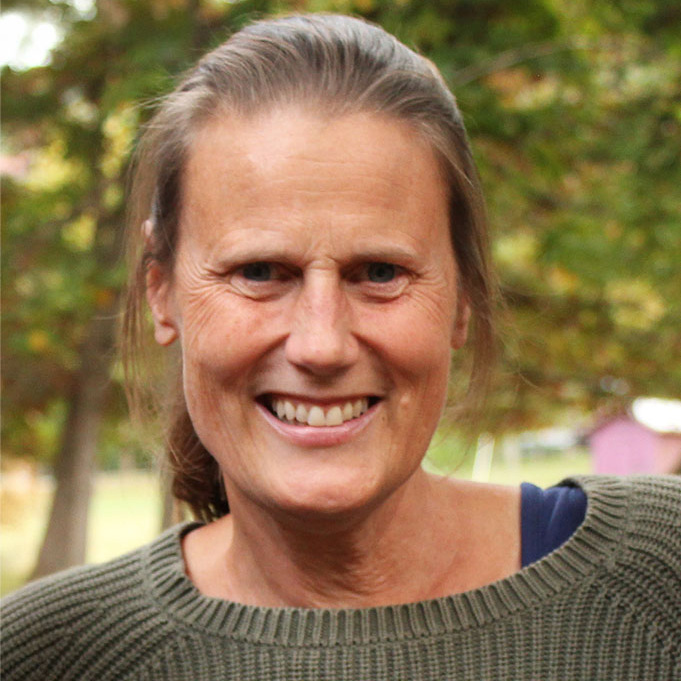
Hi, my name is Sue. Westchester County, NY was my home, when in 2010, I began to struggle with my health. By 2016, I had a dizzying...

Hi, I’m Andrew... I live in upstate New York and have EMR Syndrome. I realized this after getting headaches and dizziness whenever...
“A disastrous health epidemic is unfolding under the radar. My name is Andrew, I live in upstate New York, and have EMR Syndrome. I realized this after getting headaches and dizziness whenever I got close to a cell tower (at a distance, I returned to normal functioning). I’m also unable to sleep in hotels due to these strong Wi-Fi… or at my elderly parent’s home, which is about 1,000 feet from a tower. Though my current house is safe, I have to sleep in a homemade Faraday tent whenever I travel. I believe those who suffer from EMR Syndrome are the canaries in the coal mine regarding an emerging health disaster. That’s why I’m advocating at the local and national levels to address this problem. Despite challenges, my life goals have not changed. I’m committed to a life of service to the world… with gratitude for so much.”

Bonjour... my name is Agnes and I’m a graphic artist from Brittany, France. In 2022, when turning on a new Wi-Fi router, I had an...
“With all Wireless off, my health improved ‘as if by miracle.’ Bonjour… my name is Agnes and I’m a graphic artist from Brittany, France. In 2022, when turning on a new Wi-Fi router, I had an indescribable shock and instantly became electromagnetically disabled. Because I lived in a remote area with very low radiation, I quickly removed all wireless devices and sewed a whole-body shielding suit, which allowed me to access public spaces when necessary. With all wireless devices off, my long-term health issues improved… as if by miracle. Then an antenna was installed near my home, and the kitchen became my only safe space. Recently, I’ve had to flee my home entirely to escape pain. As a graphic artist, I’ve since dedicated myself to spreading awareness of EMR Syndrome and by getting involved in group actions for safe technology.”

My name is Titus and I’m from Kenya. I lived with EMR Syndrome for ten years, first noticing headaches, poor focus, and mood swings in college before linking them to...
“I believe struggle can build vision. My name is Titus and I’m from Kenya. I lived with EMR Syndrome for ten years, first noticing headaches, poor focus, and mood swings in college before linking them to electromagnetic radiation. Life has not been easy. I study Mathematics and Statistics at KSTVET without bursary or sponsorship, surviving only on small jobs. Yet, I believe struggle can build vision. While managing EMR challenges, I am also building a website to share solutions for a healthier climate, including greenbelt restoration, afforestation, biodiversity projects, and biodiesel production using waste, vegetable oil and animal fats. I also work on banana fiber sanitary towels and natural paints. I see EMR Syndrome not just as pain, but as a call to innovate for safer technology and a sustainable planet.”
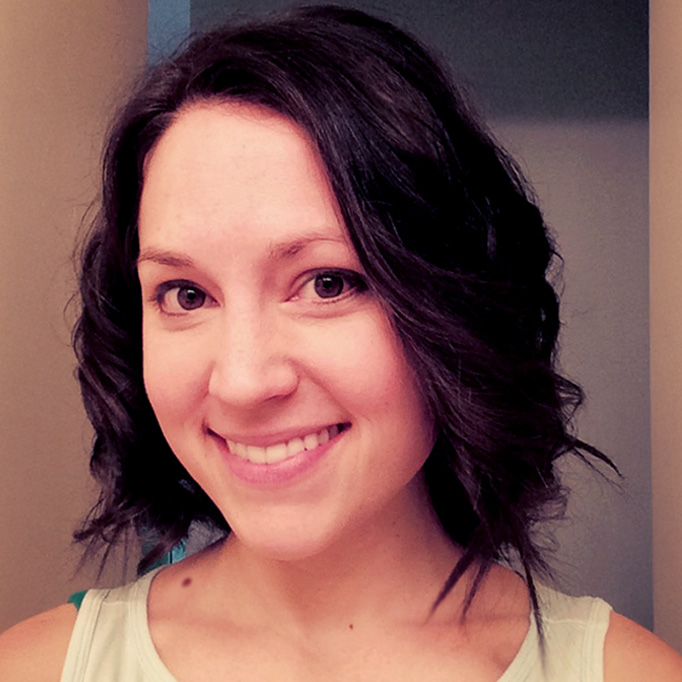
My name is Katrine, I’m a pediatric family wellness chiropractor, and I live in Sheboygan, Wisconsin. After purchasing a popular smartphone...
“I knew something was up when my hands started burning. My name is Katrine, I’m a pediatric-family wellness chiropractor, and I live in Sheboygan, Wisconsin. After purchasing a popular smartphone, I felt my hand burning each time I made a call or held it for a prolonged time. Soon, I began to have memory issues and daytime fatigue… and wondered if it was all connected. I knew I had to make a change or my condition would worsen. So, I bought a meter and went “green” in every direction — minimized my cellphone usage, turned Wi-Fi off at night, wore an EMF-blocking necklace and took walks by Lake Michigan where the frequencies were just natural and healing. I’m now healthier than ever… and thankful that I’m well enough to run my practice, be a great partner to my husband, and live a full life. My beautiful 4-month-old daughter is thankful, too.”
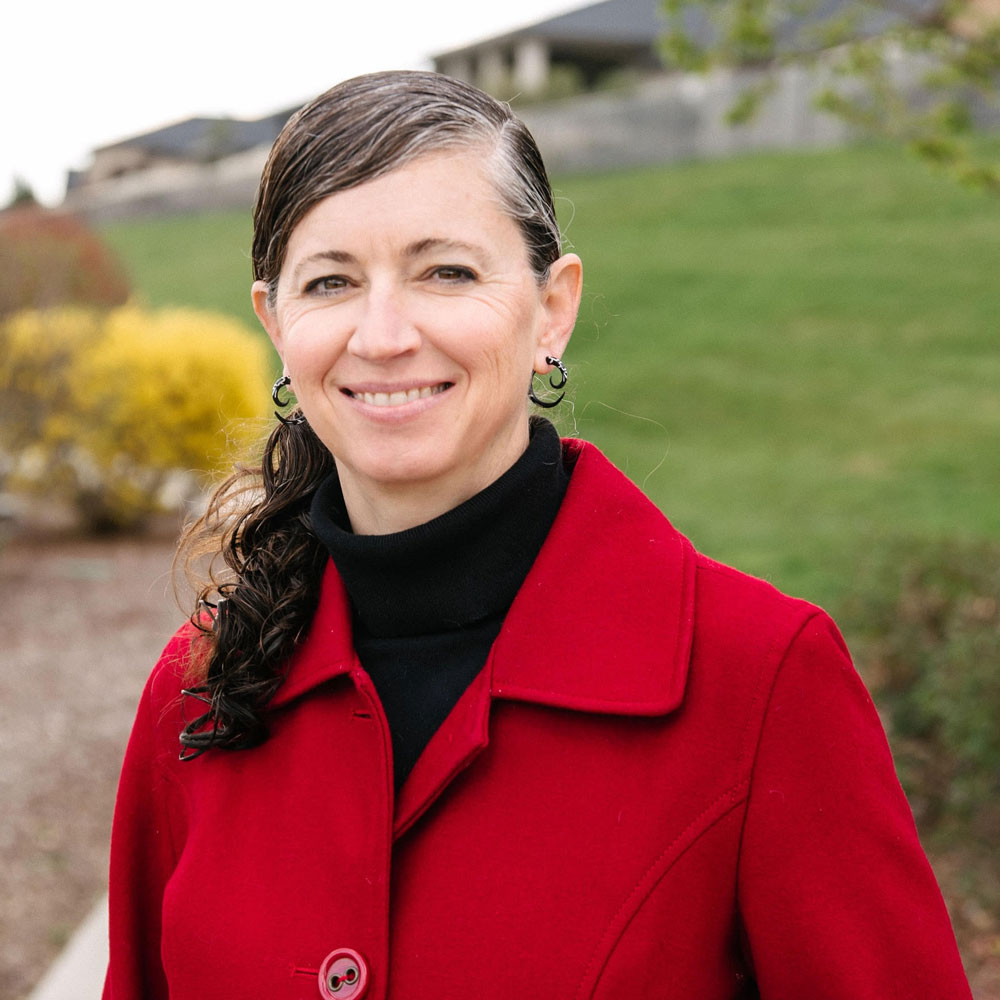
Hi, I’m Cathy from Boise, ID. In 2014, my chronic health issues — tinnitus, insomnia, anxiety, and irritability — became unmanageable...
“I threw my phone in the drawer and unplugged the Wi-Fi for one week. Hi, I’m Cathy from Boise, ID. In 2014, my chronic health issues — tinnitus, insomnia, anxiety, and irritability — became unmanageable. As a Board Certified Holistic Nutritionist, I knew that EMR was toxic to some individuals… I thought, could that be my problem? My partner said… ‘impossible, absolutely not!' But the research kept bringing me back to the possibility… finally, I went on a one-week ‘wireless fast.' During those 7 days, my symptoms — which had lasted for 10 years — went completely away. I was so inspired, I became a Building Biologist and now help others to create EMF-safe homes. In my work, I frequently speak on the phone (a landline) with Electrical Engineers. After overhearing a few of these conversations, my partner now gets it!"
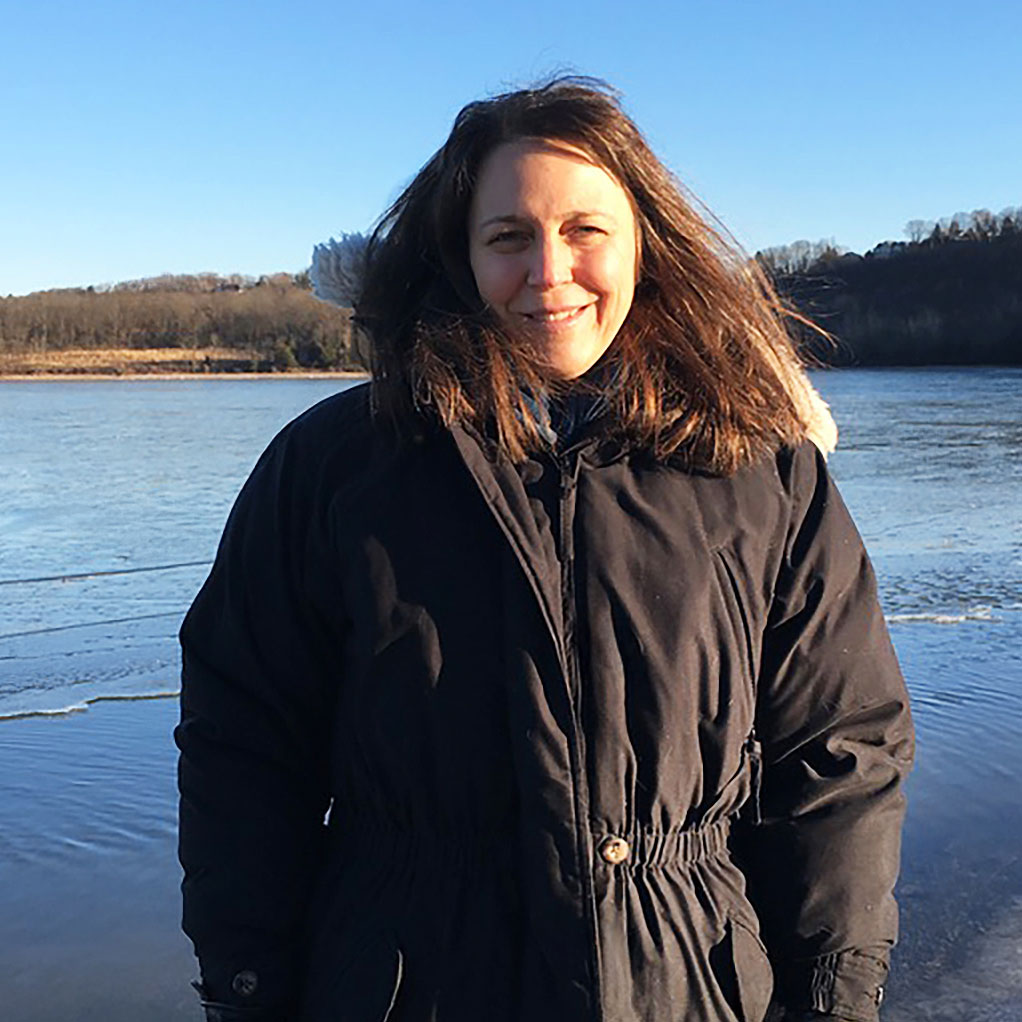
Our family trip to Yellowstone would go on without me — because we couldn't find a rental car without Bluetooth. My name is Donna...
“Standing by, I watched my husband and kids pull out of the driveway without me. Our family trip to Yellowstone would go on without me — because we couldn't find a rental car without Bluetooth. My name is Donna. I’m a Pediatric Physical Therapist who earned a doctorate and had a long career ahead of me. God had another plan. In 2018, my state of Pennsylvania issued a smart meter mandate. After installation, I developed immediate, severe EMR Syndrome, forcing me to leave my home for a shielded environment. I gradually improved, but when I returned, so did the symptoms — heart arrhythmias, headaches, and motor control problems. Since then, I have worked tirelessly to stay safe… to keep my family safe… and to advocate locally and nationally for safe technology, including analog meter choice!”
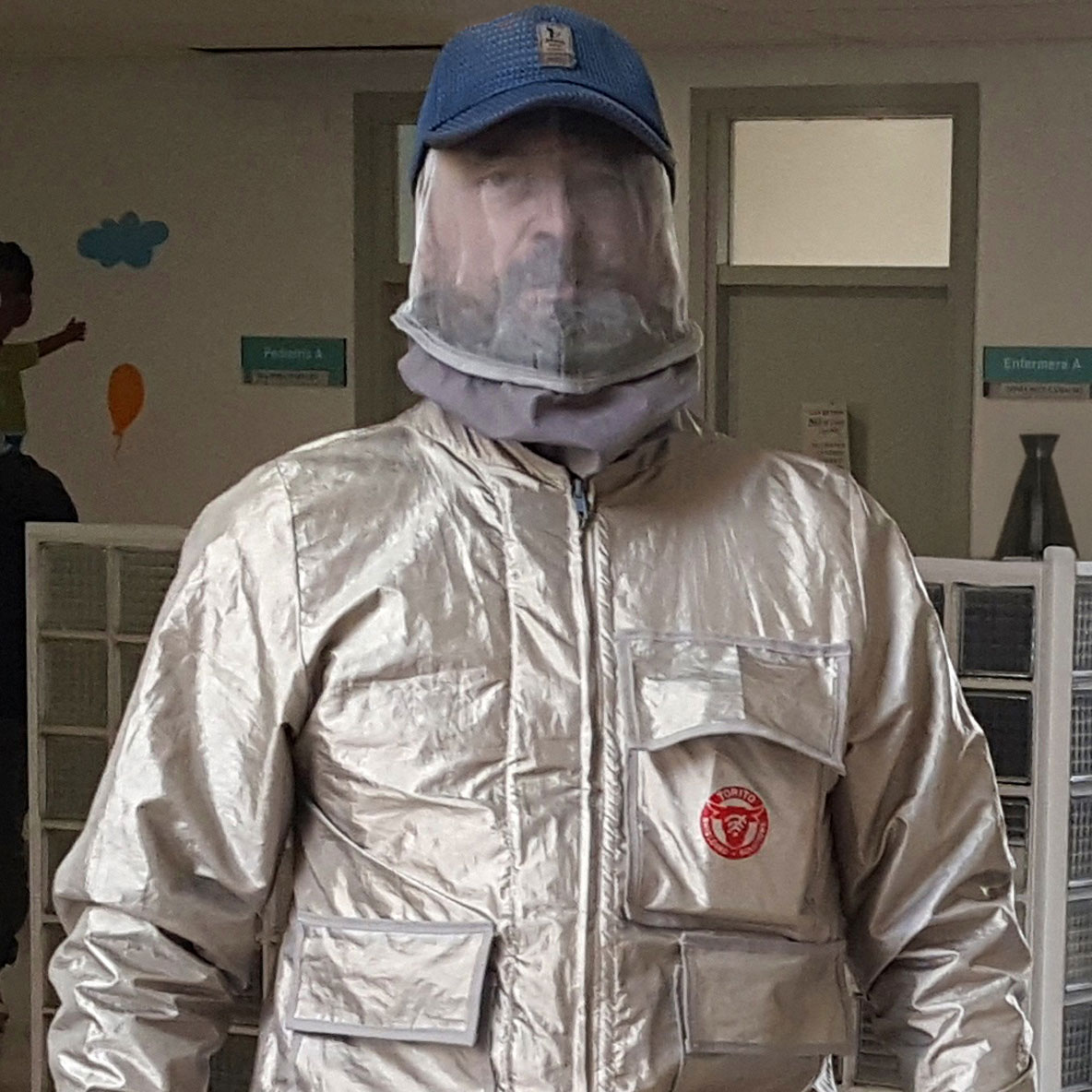
Hi everyone, I’m Torito from Spain. My symptoms started when I installed a Wi-Fi router and cordless phone. Within days, I developed insomnia, dry eye, and fatigue.
“I live in the city like a canary in a golden Faraday cage. Hi everyone, I’m Torito from Spain. My symptoms started when I installed a Wi-Fi router and cordless phone. Within days, I developed insomnia, dry eye, and fatigue. I lost my job and endured more years of health problems. Then, a revelation… thinking that 5G was at fault, I bought an RF meter and discovered my indoor EMR levels were higher than outdoors! I switched off my wireless, shielded my home, and slept like a baby again. Within one year, I recovered — but my sensitivities have not — I can no longer use any electronic device. So, I live in my protected space and wear a Faraday suit for going out. My advice to everyone: ditch your cell phone and switch off your wireless. Maybe you’ll be spared from wearing a suit like mine in the future.”

"When I finally got my wish… I just lay on a couch watching my 3 beautiful children entertain themselves...
“Professionally I was an occupational therapist… but deep down, I just wanted to be a mom. When I finally got my wish… I just lay on a couch watching my 3 beautiful children entertain themselves. I’m Linda from California. I’ve had disabling EMR Syndrome since 8/3/05 when DSL internet was activated on my phone — at the exact time I was speaking on the phone. My main symptoms are ear, sinus, head pressure/pain, plus tachycardia. I sleep in a shielded area with no electricity. My doctor told me that I needed to avoid EMR to heal. He was right. When EMR is gone, all of my symptoms resolve. For that, I am thankful — as I am for my husband and children who have suffered through this with me. I’m also grateful for EMR Syndrome itself; my ability to ‘feel it’ keeps me safe and impels me to advocate for laws that will keep all of us safe!
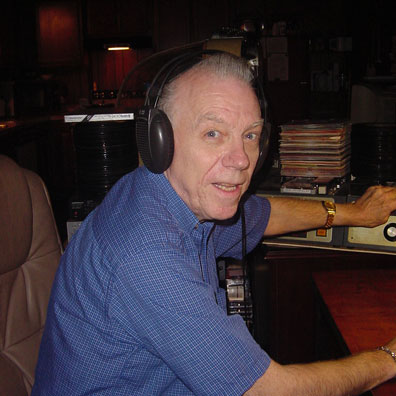
My name is Dave, I’m 81 years old, and I live in Florida. I worked at the Kennedy Space Center for 35 years as a specialist in ground...
“I used every excuse in the book to stay away from the computers. My name is Dave, I’m 81 years old, and I live in Florida. I worked at the Kennedy Space Center for 35 years as a specialist in ground communications, which included the maintenance of a 112-channel RF system. I started to get pain all over, but after the installation of computers, the pain became intolerable. Finally, I had to resign for health reasons. I hosted my own radio show and had to give that up, too. Now I have routers, tablets, and cell towers coming at me through the walls from every direction — plus a 33-thousand volt powerline across the street. I wake up in pain every morning. There are no more hopes and dreams, except to have huge amounts of money to move far, far away.”
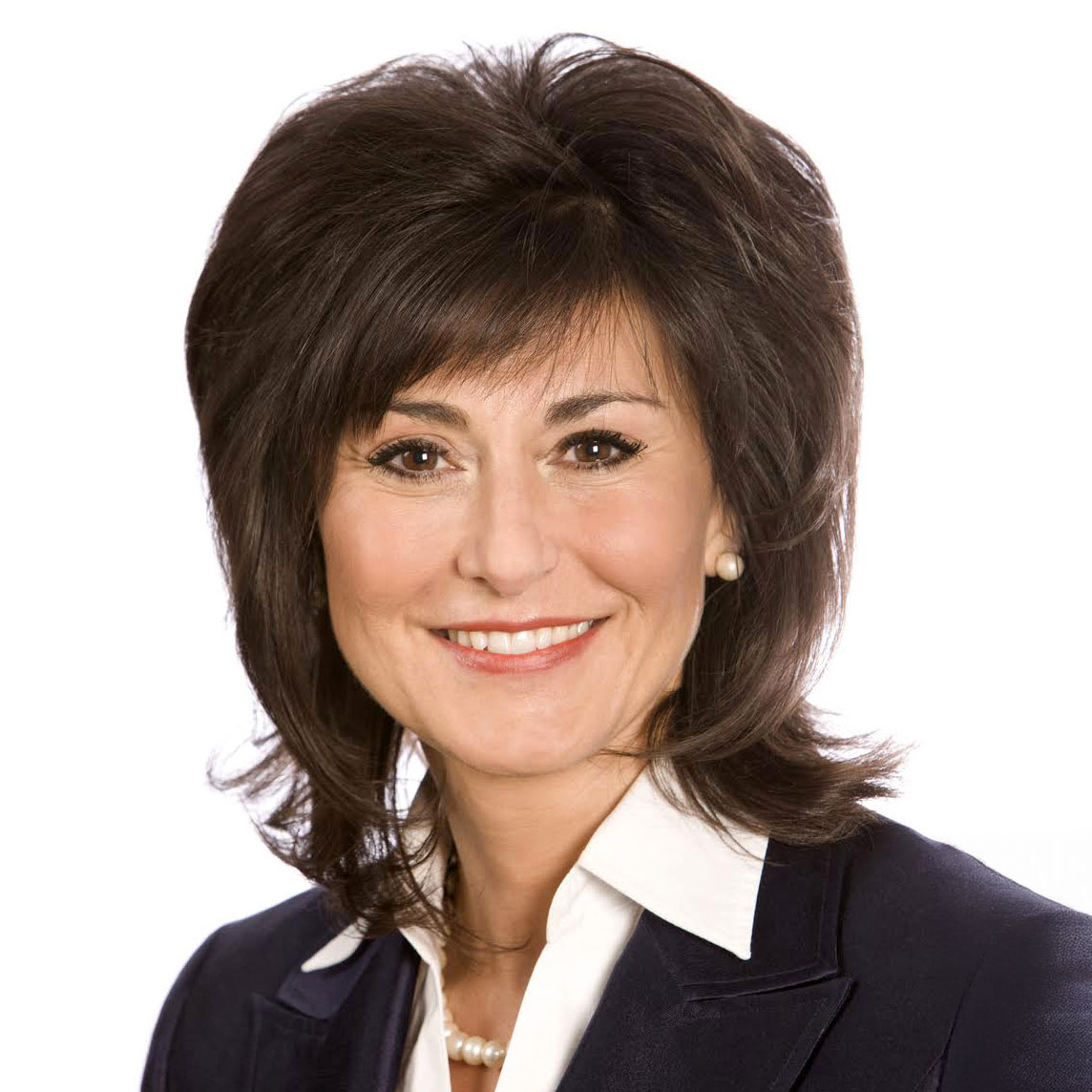
My name is Loraine and I was living a life I love… traveling, sports, and a great career in executive IT sales, until 2020, when my job went remote. I created a 4x4 home office space...
“I was essentially sitting in a microwave. My name is Loraine and I was living a life I love… traveling, sports, and a great career in executive IT sales, until 2020, when my job went remote. I created a 4x4 home office space with 22 devices, including 2 laptops, 2 monitors, and 2 cellphones. After a period of headaches, fatigue, ringing of the ears, and 4 completely sleepless nights, I became suspicious of the IT jungle around me. I purchased a trifield meter and the learning process began. I discovered that I was being fried — overexposed to radiation at 175 times greater than safe levels. Immediately, I tossed everything in the attic, hardwired my equipment, and was able to work again. But I remain sensitive to the EMR soup to this day. I’m thankful for the meter that saved me… and for the experience itself because it led me to my life’s work.”
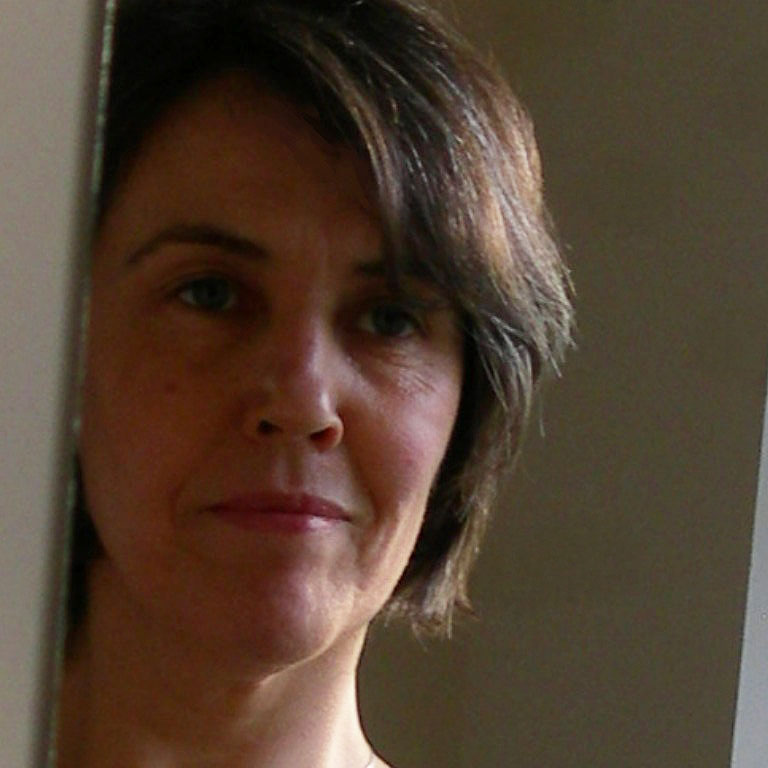
Hello, I’m Sally and I live in south-west England. After an MRI and CT scan on the same day, I developed dizziness, headaches, palpitations, insomnia, and sensitivity to noise and...
"An ordinary medical scan tipped me over the edge. Hello, I’m Sally and I live in south-west England. After an MRI and CT scan on the same day, I developed dizziness, headaches, palpitations, insomnia, and sensitivity to noise and light — symptoms of EMR Syndrome. As a trained mental health nurse, I knew mindfulness and stress reduction techniques, and employed them all to no avail. The only relief came from removing myself from all sources of EMR — which, quite sadly, put a premature end to my professional life. Since then, I have faced discrimination, ignorance, and misunderstanding as I attempt to reclaim my place in the everyday world. This is a devastating outcome for someone who had worked in Health & Social Care for 35 years, advocating for the rights of some of the most disabled and vulnerable members of our society."

Hi, my name is Jaime, and I’m a personal chef. I’m also a cellphone enthusiast, often using it to find on-the-spot recipes for my clients. One day, I was lying in bed with my phone resting on my left...
“I’d much rather cook… than be cooked. Hi, my name is Jaime, and I’m a personal chef. I’m also a cellphone enthusiast, often using it to find on-the-spot recipes for my clients. One day, I was lying in bed with my phone resting on my left shoulder, talking on speaker mode. Suddenly, I felt the phone heat up, my skin pulse, and my shoulder go into nonstop spasm for an hour. It was one-and-done! The next day, I swapped out the phone. My experience, while minor compared to others, changed the way I use cellphones permanently. Here are my 5-Star tips: NEVER hold a cellphone against the ear. ALWAYS text, or talk via speaker phone. ALWAYS charge your phone away from your person. ALWAYS place your phone on airplane mode before sleeping. NEVER carry your phone in your pocket. That’s what backpacks are for!
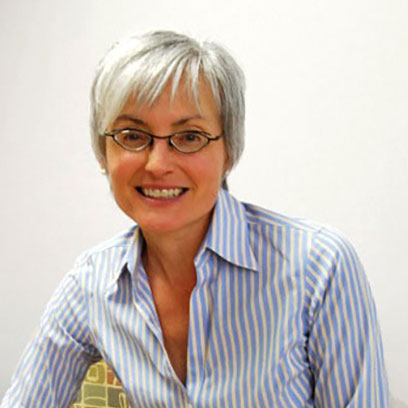
when my friend and fellow physician came to visit with EMR meters in hand, determined to show us a likely cause of my husband’s declining memory. We could not deny the...
“My health changed in one day when my friend and fellow physician came to visit with EMR meters in hand, determined to show us a likely cause of my husband’s declining memory. We could not deny the data. As a trial, we slept with power off to our bedroom that night. It would take many months of EMR remediation for my husband to improve, but the insomnia I had struggled with since residency left overnight. I slept like I did as a kid. Soon I started dreaming, a sign of even better quality sleep. Our home is now wireless-free, meaning all computers and phones connect to the internet via a wired connection. We are forever grateful to our friend and that we listened to her!” — Bethany, Retired Physician, Kansas City, MO
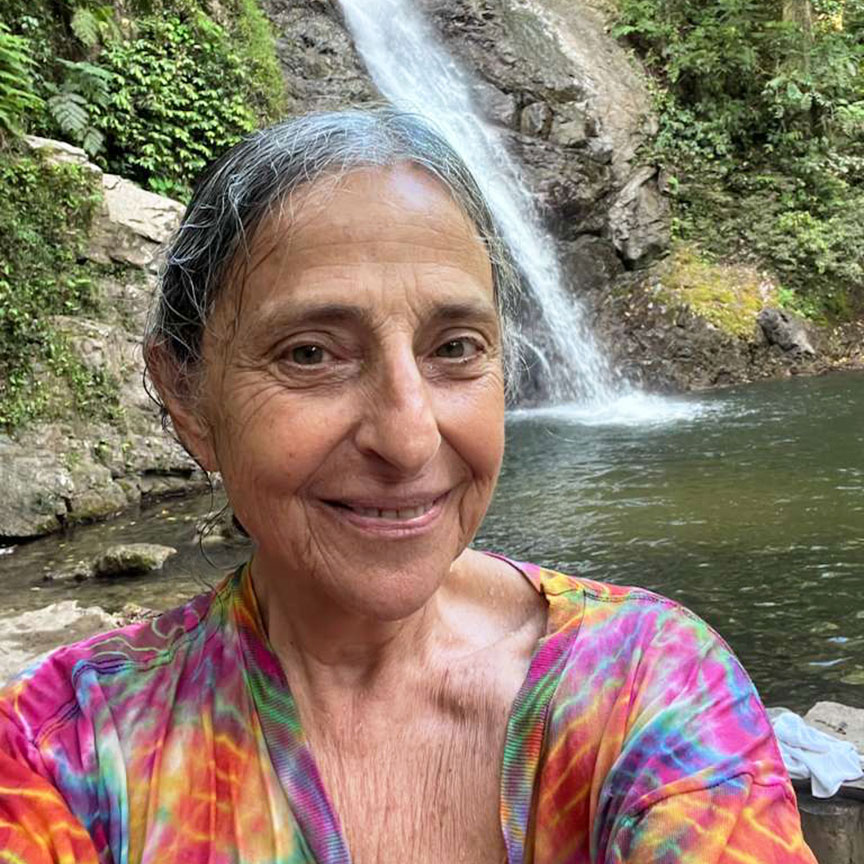
My Name is Julie. I have a Master’s Degree in Social Work which I taught in NY and LA. Applying my skills, I’ve led non-profits and was looking forward to participating in world...
“I have literally nowhere left to go. My Name is Julie. I have a Master’s Degree in Social Work which I taught in NY and LA. Applying my skills, I’ve led non-profits and was looking forward to participating in world humanitarian projects… now an impossible dream. I developed EMR Syndrome from police scramblers while serving as a Legal Observer for the Occupy LA protest; symptoms worsened in 2013 when smart meters were rolled out in my Topanga, California neighborhood. Plane travel is difficult, and I can’t be near cellphones or Wi-Fi without getting heart palpitations, headaches, insomnia, and nerve pain. I was forced to sell my home and move to the Sequoia National Forest where I’m isolated from friends and family. Now 5G is rolling out on strand-mounted antennas in my new community and I have no escape.”
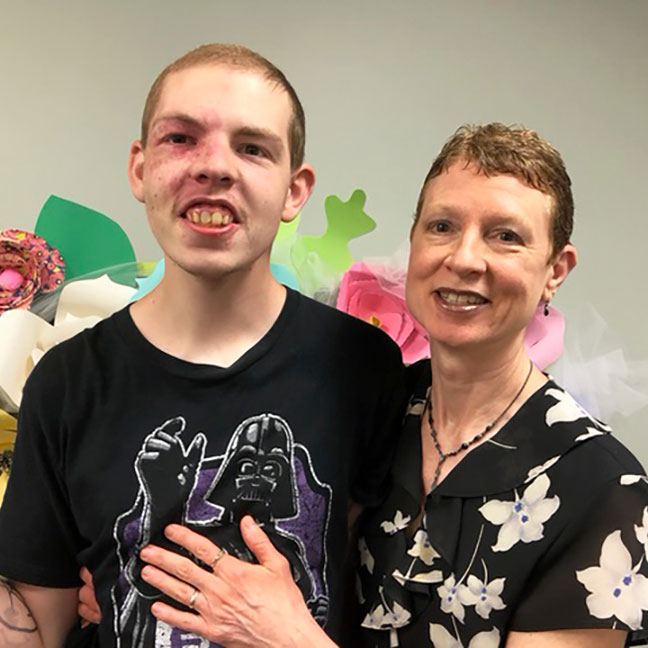
My son, McKenzie, loves to paint acrylics and do chalk drawings in our driveway. Although 31 years old, he’s like a 5-year-old. McKenzie has multiple neurological disabilities...
McKenzie's Story as told by his mom, Susan. “My son, McKenzie, loves to paint acrylics and do chalk drawings in our driveway. Although 31 years old, he’s like a 5-year-old. McKenzie has multiple neurological disabilities, including epilepsy, which make him vulnerable to electromagnetic radiation. In March 2017, while we were away, a smart meter was installed on our home without our consent. When we returned, McKenzie refused to enter the house. Within days, he went into status epilepticus — 115 seizures in one day, 109 the next — bringing him close to sudden death. We moved to a home with a safe analog meter, but are fighting through a grueling legal process just to keep it. Doctors say McKenzie must be protected, yet the utility and regulators ignore medical directives and our ADA rights. My son’s life depends on staying away from smart meters. As long as he is safe, he will thrive through his art. To me, his mom, McKenzie’s art is the true expression of himself.”

I was living in NYC in 1996 when the cell towers went up — and I developed depression that I didn’t know existed. In 2002, I bought a house in Arizona and found relief. In 2003,...
“I draw cartoons about the dangers of wireless. I was living in NYC in 1996 when the cell towers went up — and I developed depression that I didn’t know existed. In 2002, I bought a house in Arizona and found relief. In 2003, my power company added an antenna and transmission box to my mechanical-analog meter to ‘read from the alley’. In 2010, a smart meter was then installed on the power line, and — without my knowledge or permission — on my house, triggering heart palpitations, debilitating muscle cramps, vertigo, confused thinking, and total insomnia nightly. Almost 5 years later, I finally noticed the smart meter on my house. After complaining, I got the mechanical-analog meter back and paid over 3k in opt-out fees. My cartoons about the dangers of wireless make me feel like I’m doing my duty as a good citizen.”

I am Luc, a photographer who used to sell mobile phones and allow antennas on my roof. When I began having health problems, no one could help me. Severe insomnia and...
“Less radiation means more well-being! I am Luc, a photographer who used to sell mobile phones and allow antennas on my roof. When I began having health problems, no one could help me. Severe insomnia and intolerances almost killed me, plus I suffered chronic inflammations in my right eye, the eye I used to take photographs. By chance, I discovered a connection between my condition and RF radiation from mobile phone transmitters, Wi-Fi, DECT telephones, etc. I tried shielding my head with metal-woven wire and it stopped the infections. A residential biologist provided clarity and my wireless was reduced to emergencies only. My social contacts did not understand this as they had no complaints (yet). Self-study taught me that the regulations were set up by the industry and have nothing to do with healthy living. A safe future lies ahead for all of us with wired connections. Regards from Belgium!”
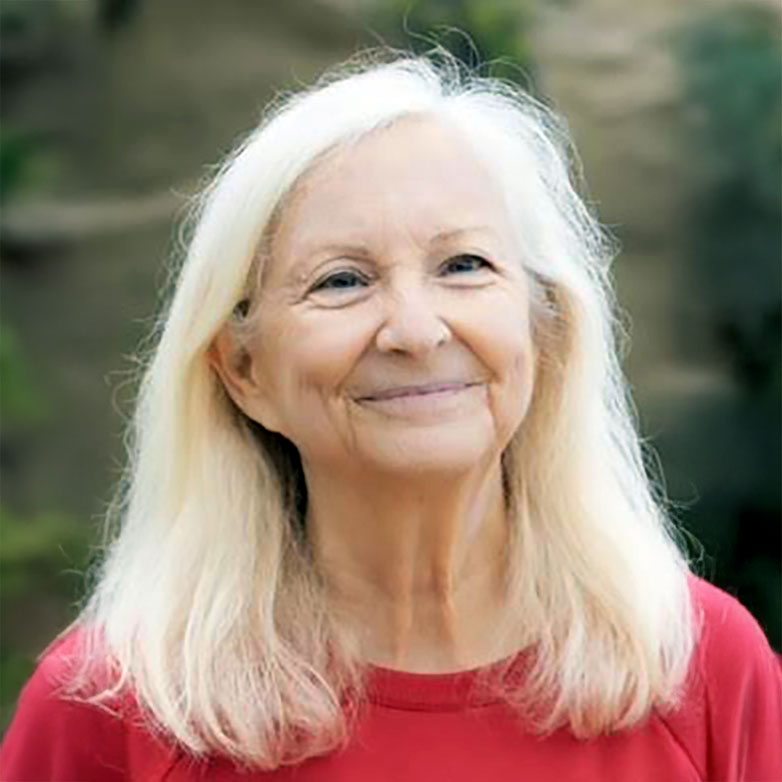
My name is Margaret Ruth, and thus began my journey into a nightmare...
“I was a happy mother and pastor’s wife until a cell tower went up near our home in North Carolina. My name is Margaret Ruth, and thus began my journey into a nightmare of mysterious illness — including fatigue, chemical sensitivities, elevated heart rate, flu-like symptoms, migraines — and eventually, colon cancer. Physicians finally connected my condition to electromagnetic radiation (EMR). As I’m a poor candidate for most conventional therapies, I found a mostly natural protocol and have been cancer-free for 5 years. Supported by my children, I live in accommodated low-EMF spaces, using a landline and wired devices. Although now retired as an attorney-mediator, my goals remain the same... they are to use the gifts God has placed in my life, sometimes through the PhD of suffering, to improve the lives of others.”
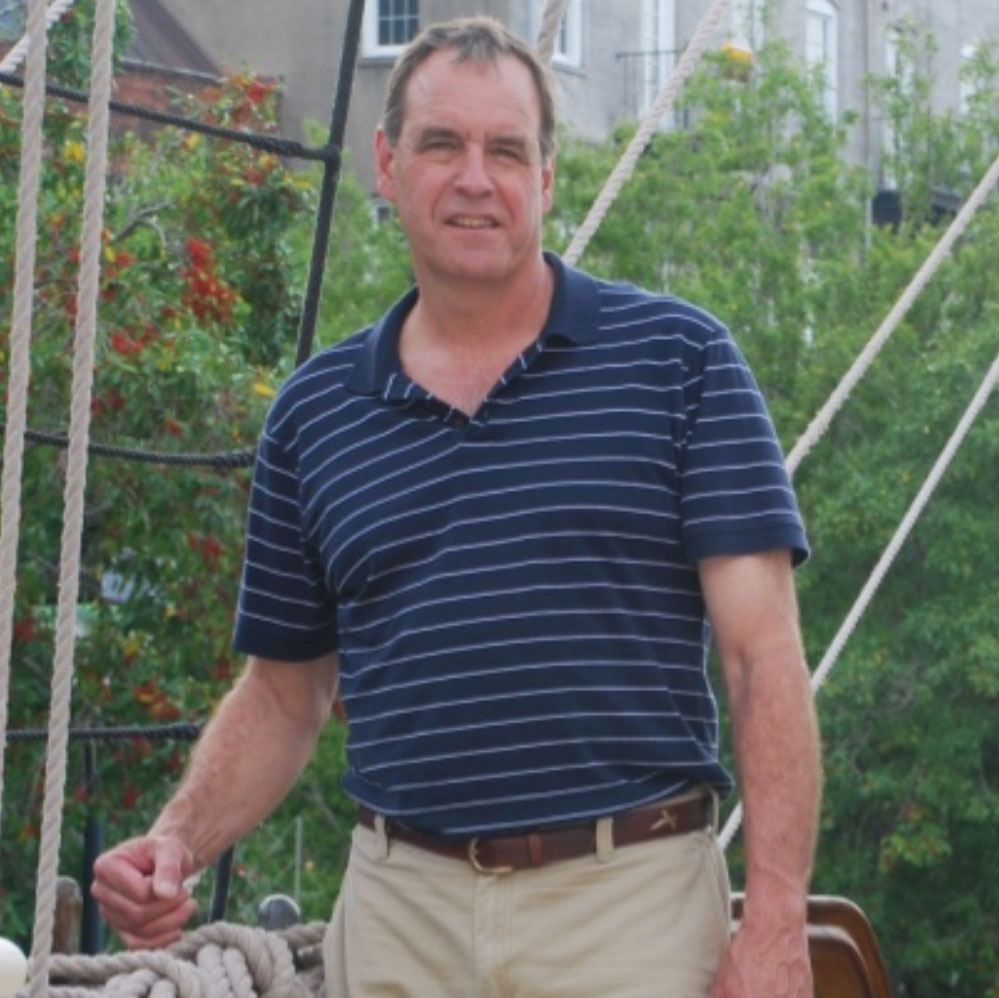
Hello… I’m Lyman from Connecticut. In the early 80’s, when I was dating my soon-to-be wife, I began to get headaches, fatigue, and vertigo — brought on by...
“I thought I was the only one in the world. Hello… I’m Lyman from Connecticut. In the early 80’s, when I was dating my soon-to-be wife, I began to get headaches, fatigue, and vertigo — brought on by a telephone relay unit near my apartment. Soon powerlines, transformers, and wireless devices became triggers. With the advance of cell towers, matters worsened — adding atrial fibrillation to my symptoms. I ran the gamut of treatments from medical to alternative, to no avail. So I moved homes continuously, trying to outrun the towers. Despite how difficult this has been for my family, I’m still married to the same wonderful woman I was dating 42 years ago. Back then, I thought I was the only one in the world experiencing this malady. Now it’s all over the place… and a world of support has opened up to me.”
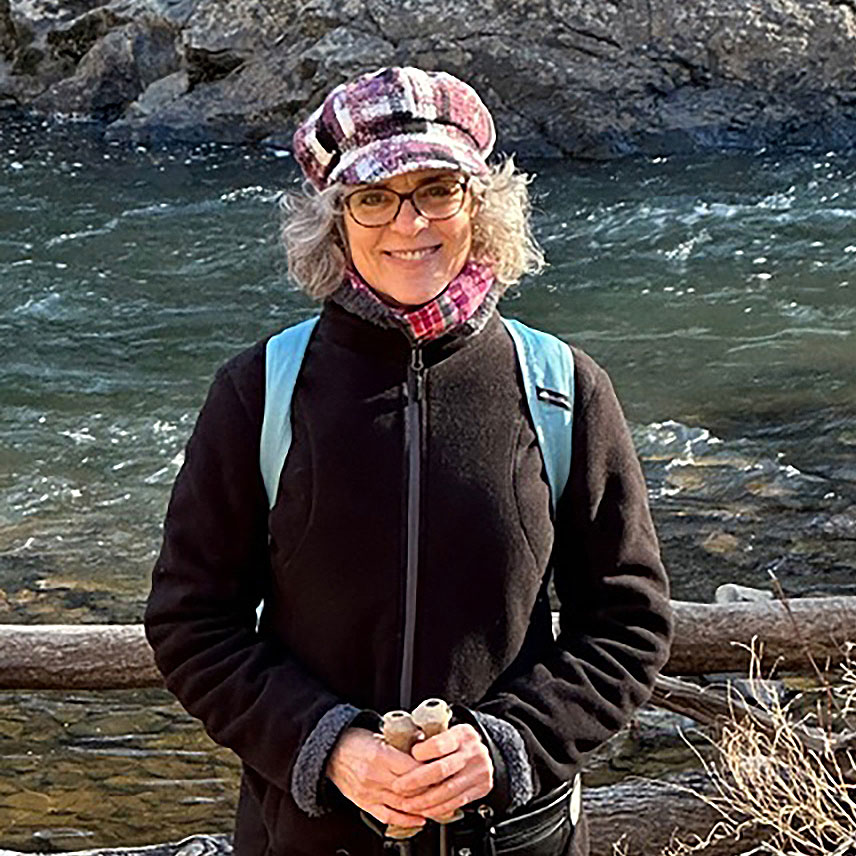
Imagine feeling the radiation coming off cell phones, towers, WiFi routers/devices, fluorescent lights, and more. Imagine feeling the pain and disorientation of being slammed...
“Welcome to my normal for the past 20 years. Imagine feeling the radiation coming off cell phones, towers, WiFi routers/devices, fluorescent lights, and more. Imagine feeling the pain and disorientation of being slammed in the head, skewered through the ears, and crushed in your head or chest, along with nausea, dizziness, cognitive dysfunction, and anxiety that makes you want to flee. Afterward, you spend the rest of the day or week inflamed and fatigued, unable to do anything but withdraw and rest. This has been my normal for the past 2 decades. Driving, going to the theater, a restaurant, store, office, or gym — any public place — have become painful, debilitating experiences. People are unaware, do not understand, and feel infringed upon if I ask them to put their phone in airplane mode. Michele, former EPA Policymaker, NC.”

Hello, I’m Daniel and I live in New Zealand. Before I was made sick by electromagnetic radiation, technology was my passion and creative...
“It’s been an isolating journey, but also an awakening. Hello, I’m Daniel and I live in New Zealand. Before I was made sick by electromagnetic radiation, technology was my passion and creative playground. I thrived on integrating devices, building wireless systems, and using them to connect people at events and festivals. Then, without warning, I began to experience headaches, migraines, fatigue — and eventually realized that my phone, computer, and Wi‑Fi were the cause. At first, I didn’t want to believe it, but over time it became undeniable: when I avoided EMF exposure, my health returned; when I didn’t, I suffered. For over 13 years now, I’ve had to live almost completely off-grid, away from people carrying active phones or devices. More people are beginning to notice similar symptoms, and awareness is slowly growing. My hope is that society recognizes EMR Syndrome as real and takes steps toward creating healthier, more livable environments for everyone.”
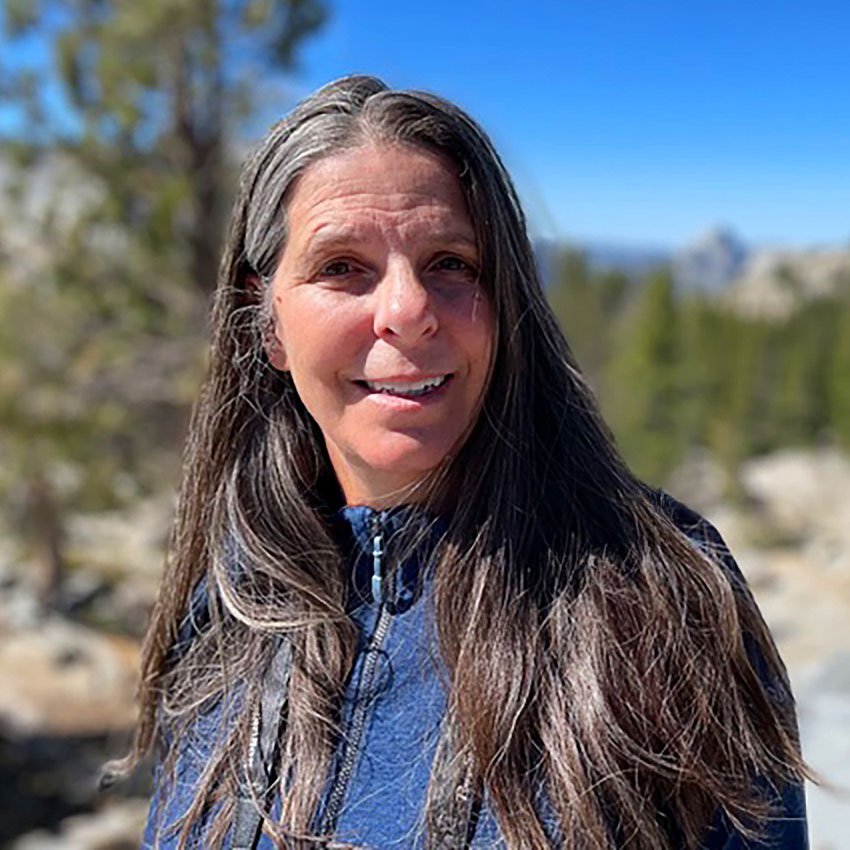
Hi, I’m Kimberly from Colorado. I recently purchased the latest version of the hottest phone (I have ten-year-old twins and wanted a really...
"There's no way to turn this #%$&*@ radiation off! Hi, I’m Kimberly from Colorado. I recently purchased the latest version of the hottest phone (I have ten-year-old twins and wanted a really great camera) but couldn’t hold it for more than a minute without my hand tingling and burning. Luckily, I had a friend with an RF meter… she tested the phone and amazingly, even on ‘OFF,’ it was ON, still putting out tons of radiation. I was an X-ray/CT scan tech for 20 years and never had a problem. My troubles began when my city rolled out high-speed internet and Wi-Fi. Smart meters have become a real issue, too. I had normal, consistent labs for 9 years. Now in one year, I’m borderline diabetic, have thyroid disease, and am gaining weight. When the average person gets wind of what's happening, I’m afraid it will be too late.”
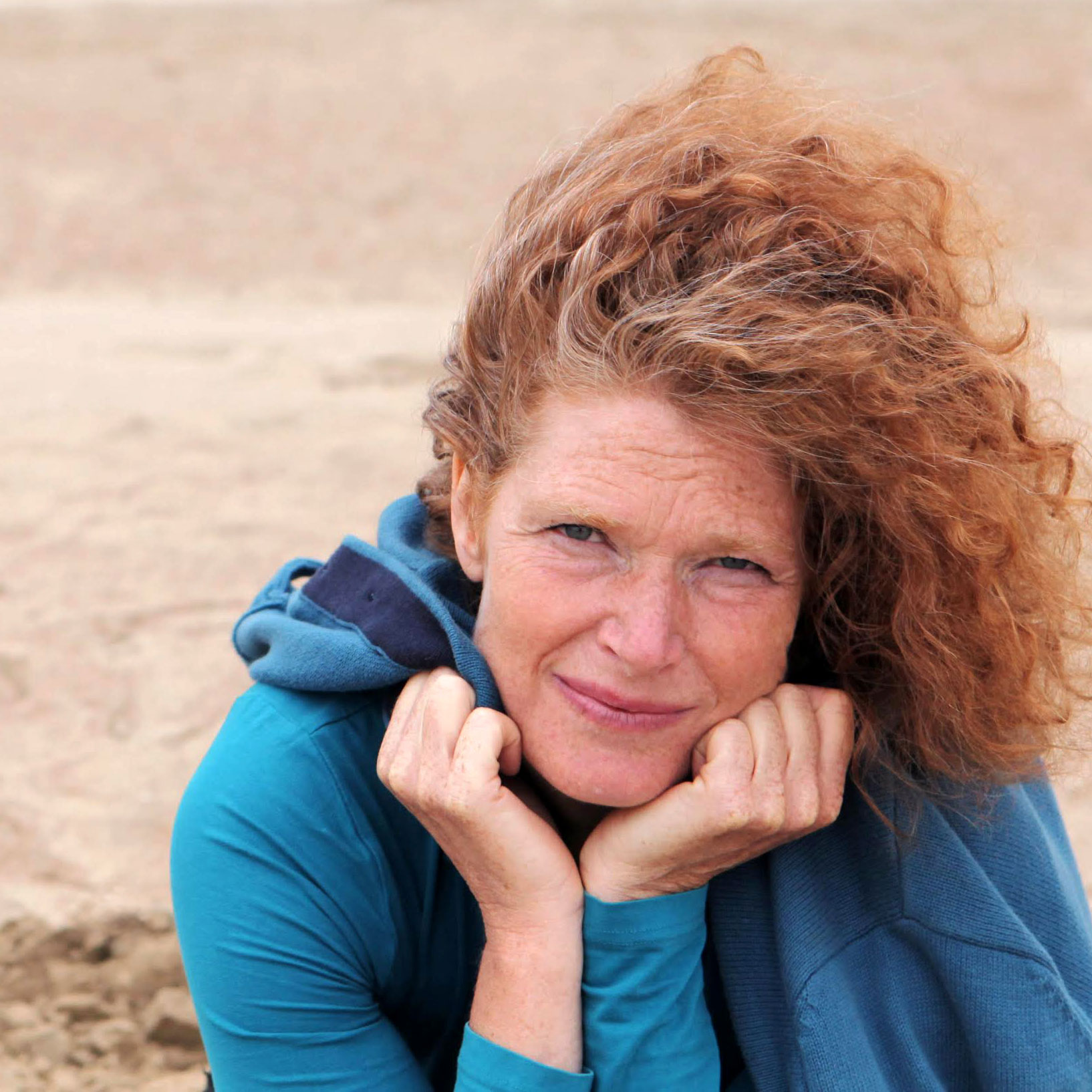
Dear friends, my name is Kristien and I’m Belgian. I started to experience EMR Syndrome years...
“I hope I will survive. I am only 54 and still have things to do on earth. Dear friends, my name is Kristien and I’m Belgian. I started to experience EMR Syndrome years ago when I worked on a wireless computer. Then during lockdown, extreme exposures made my symptoms unsupportable — head pressure, memory problems, aphasia, exhaustion, tachycardia, depression, and more. I fled my city apartment, lost work and my relationship… finally finding refuge in the forest. Now I’m renovating a house in an emf safe zone, while taking natural remedies and detoxifiers. After 2 years, I’ve become more resilient, but if I dare increase my exposure level — the symptoms come on strong again. The telecoms are planning to put 5G antennas everywhere in my region… and I am planning a legal case. We have to continue the fight and never give up!”
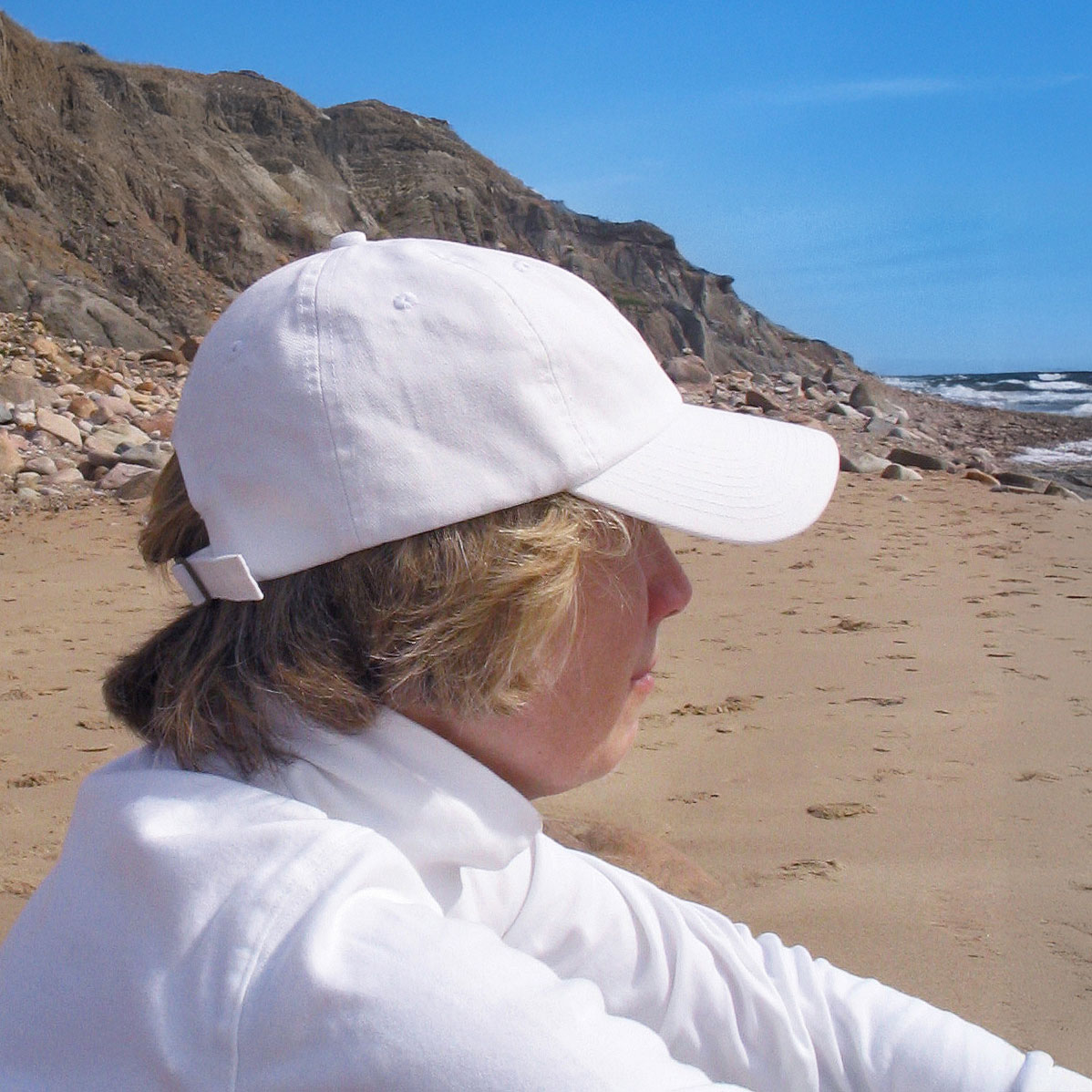
My name is Ruth. I visited Maine last summer and every dawn, went walking on a nearby beach… a vast and beautiful stretch that my eyes and breath could barely...
“Meandering thoughts. My name is Ruth. I visited Maine last summer and every dawn, went walking on a nearby beach… a vast and beautiful stretch that my eyes and breath could barely contain. On one side… wild grasses and a smattering of century-old homes… on the other, a never-ending body of blue. And at that hour, it was all mine. I walked near the surf’s edge, hopscotching my way among giant pebbles. A perfect spot, I thought, if it weren’t for these darn pebbles. Then it hit me… this is my life with EMR Syndrome… a painful obstacle course of cell phones, cell towers, and Wi-Fi… surrounded by immeasurable beauty. It was up to me to see that beauty and breathe it in. This I did at Scarborough Beach, Maine.”

a working artist, raising my children, and involved in our community. Suddenly BOOM… ‘smart’ meters came to town installed by the thousands in Southern New York...
“I was fine, absolutely fine — a working artist, raising my children, and involved in our community. Suddenly BOOM … ‘smart’ meters came to town installed by the thousands in Southern New York State where I live. In 2009, we were a testing ground for radiation-spewing smart meters. Soon I developed heart arrhythmias, stomach and hormonal problems, loud buzzing in my ears, insomnia, and more. It took months before I learned that the conducted and transmitted radiation from the new meter was the cause. I replaced it with a traditional analog meter and began to feel better, which was proof enough for me... but the exposure left me unable to tolerate anything wireless. Others in my town and elsewhere got sick. Very sick. And some of the meters caused fires. For almost two decades utility companies have known and lied about the dangers of smart meters.” Michele, New York
This website provides information and support for the millions who suffer acute health effects linked to man-made electromagnetic radiation (EMR) from cell towers, cell phones, Wi-Fi, smart meters, antennas, smart products, LED lighting, and other sources.
Our radiating butterfly logo shows a coming together of support around a core of people who are rising to gain what is rightfully theirs.

Bloggers, Biomarkers, and Hope
By Rob Brown, MD, FACR
Recently, a blogger wrote a series of posts correlating the radiation emanating from a power substation in Santa Clara, CA with the string of tendon injuries experienced by the San Francisco 49ers at nearby Levi's Stadium. The content garnered so much attention that mainstream media picked up on the story. Although the blog's author was quickly marginalized as a "self-proclaimed" scientist and a conspiracy theorist, what impressed me most was the traction he gained. His posts went viral on social media, with over 21 million views on X alone. My son and nephew even sent me texts about it! Concern is growing...
There was a time when EMFs — predominately extremely low frequencies of electromagnetic fields (ELF-EMF) from high-tension power lines and substations — only impacted a limited number of people. Few initially experienced symptoms from that exposure, and the majority of the population was oblivious. In retrospect, these "canaries in the coal mine" delivered a much-needed societal message: human-generated electromagnetic fields have biological effects on humans. In the last 25 years, wireless communication has increased and multiplied the population's electromagnetic radiation exposure. The obvious conclusion is that we need engineers to develop safer methods of energy distribution and distant communication. This message has been largely ignored. Instead, the "sensitive" group has been considered by some researchers to be afflicted with a psychological condition, possibly experiencing a "nocebo" effect, meaning that because these people saw something they thought would harm them, it did. Other researchers, however, studied the biochemistry and published papers describing how and why those biological effects could be due to physiological insults to the body, such as oxidative stress.
Now we find ourselves in a situation in which major population centers around the world are buzzing with high concentrations of ambient radiofrequency radiation. Studies show health repercussions may be acute and/or chronic. Symptoms, including sleeplessness, tinnitus, atrial fibrillation, memory loss, and confusion have become uncomfortably common. So much so that many now believe that these symptoms are normal. They aren't. People with what is now termed EMR Syndrome, know this because their symptoms exacerbate with exposure and lessen in a low EMF environment.
Because different diagnoses can cause similar symptoms, attributing symptoms to EMF exposure needs to be proven. We need a specific biomarker, an objective data point or diagnostic test that can document the physical impacts from EMFs. To date, most analyses have focused on the metabolites of oxidative stress. But oxidative stress can be caused by many disease processes.
Last year, I wrote a hypothesis paper describing the impact that nonionizing radiation from a cellphone can have on the blood. Blood clumping, or rouleaux formation, previously described with dark field microscopy, can now be seen with a diagnostic ultrasound machine while the blood is still flowing within the body. In studying many more subjects, we have found that rouleaux formation is more common in those suffering from EMR Syndrome. This is a promising tool providing objective data.
Public awareness that ELF-EMFs and wireless technology can be harmful is slowly building. Recently, the Department of Health and Human Services and FDA removed material on their website stating that cellphone radiation is safe. This is an important step because the FDA supplies information to the FCC, which should then use this new information to update their regulations regarding exposure limits. Hope is on the horizon.
Stay tuned!
Rob Brown, MD, FACR
VP for Scientific Research and Clinical Affairs
Environmental Health Trust
Preface to OVERPOWERED
By Martin Blank, PhD
At various gatherings, when I am inevitably asked what I do for a living, an interesting sequence often ensues. “I am working on the biological effects of cell phones, WiFi, and related devices,” I reply. That is followed by a slightly anxious, “So, are they dangerous?” After I say that there is a considerable body of evidence showing significant risk, the conversation usually ends—often with a statement such as, “Well there’s no way I am giving up my cell phone.”
These experiences have shown me that in writing this book, I face a bit of an uphill battle. While people are on edge about the health issues, they are also on edge about the possibility of having to give up the amazing technologies that have become so much a part of their lives. Allow me to put you at ease right from the start: There is no need for us to abandon the devices of the electronic age.
But there is a vast continuum of ways to address the problems—from abandonment to the unrestricted use that currently exists. One has only to look at the story of aerosols to see how safer alternatives come to light once a problem is identified. When aerosols first appeared, they were seen as miracle substances, as is often the case with many technological advances. Then in the 1970s, studies showed that the propellants in aerosols were depleting the ozone layer that is critical to life on earth. National and international organizations were called to action, and there was an expanding and effective ban on the use of the most dangerous propellants. As a result, today we still have aerosols, but the emission of ozone-depleting substances is on the decline.
Whenever arguments are raised about implementing limitations, the typical corporate-sponsored line is that “there is no solid evidence of danger.” I have written this book to show you that this is not the case. There is a large body of solid science showing that the electromagnetic radiation (EMR) that is a by- product of our high-tech world has many and varied effects on our biology. It is time we replaced the common refrain of “no solid evidence of danger” with “it’s time we acknowledge the dangers and do something about it.”
The steps necessary for change are many. Two of the most important are:
1. Establish the criteria that will make the technology safer for users and for all in the surrounding environment. Fortunately, those criteria are not difficult to put in place, and there are multiple ways in which the amount of exposure can be reduced. What is required is the recognition that the change is needed and doable.
2. Create an informed citizenry. When people are informed, they are empowered. We have seen over and over again what the population can achieve when it is mobilized to act. Corporate and government policy can change dramatically.
These goals are central to the ideas in this book. By knowing the facts, you can make informed decisions about how you use technology, and you can also become part of the process required to reduce the potential harm posed by EMR.
*Preface to Overpowered: What Science Tells Us About the Dangers of Cell Phones and Other WiFi-Age Devices by Martin Blank, PhD. Permission granted by Seven Stories Press. Copyright © 2014 by Martin Blank, PhD
Go Ugly Early
By Keith Cutter
I was a slow learner.
It took me more than three decades to correlate my growing list of symptoms—symptoms that eventually left me so disabled I could no longer function—with exposure to synthetic electromagnetic fields.
By God’s grace, I found my way out.
Now helping others understand and reduce their own exposures has become my life’s work.
While I make no medical claims, and am not a doctor nor medical provider, I help people around the world focus on two simple concepts: accurate assessment and effective remediation.
These twins were all I needed. By embracing them, I experienced an astonishing transformation.
Now, I said the concepts were simple—and they are—but the implementation deserves professional help.
Accurate assessment means correctly quantifying exposure levels to the four primary synthetic electromagnetic phenomena present within a home: AC magnetic fields, AC electric fields, intermediate fields (commonly called dirty electricity), and radio-frequency radiation.
That requires accurate measurement and analysis using equipment appropriate to the task, employing specific techniques in very specific areas within the home—especially in the places where people spend the greatest amount of time.
Effective remediation follows naturally from accurate assessment.
Once the sources are properly understood, meaningful reductions in exposure can often be achieved through practical, physics-based strategies: removing sources under your personal control, increasing distance from sources not under your control, and thoughtfully applying shielding as a last resort.
Not harmonizers.
Not magic devices.
Not an endless stream of esoteric health hacks.
Just careful investigation followed by intelligent action.
And while every person and environment are different, I have now watched this same process help many others reclaim vitality.
While I’d love to say anyone can perform assessment and remediation—and I do train individuals who wish to acquire these skills—I believe most people are best served by enlisting the help of a trusted and experienced local resource.
Someone knowledgeable and capable to come alongside you, helping you learn while guiding you through the process.
Someone willing to share difficult truths when necessary.
Because while nearly all dwellings can achieve some measure of reduced exposure, not all can realistically be brought to exposure levels appropriate for every individual—particularly those most suffering with EMR Syndrome.
In some situations, despite everyone’s best efforts, relocation may ultimately be the wiser path.
I and others have gone much further—relocating to specific areas with low population density and favorable terrain features, sometimes even designing and building special homes intended to maximize reduction of synthetic electromagnetic exposures.
For some, these steps may sound extreme.
But for those who have experienced profound deterioration—and then profound recovery—the motivation becomes much easier to understand.
Now is also the appropriate time to speak plainly about convenience.
Convenience, in many respects, is diametrically opposed to pursuing a life with reduced synthetic electromagnetic exposures.
I say this not to discourage you, but to prepare you.
Because in this modern age, the path of convenience almost always leads toward greater immersion in technologies and infrastructures that increase exposure.
Cellular service, for example, means living within a continuous sea of man-made radio-frequency radiation.
Modern electric service introduces its own set of electromagnetic phenomena into the home.
Wireless convenience layers upon wireless convenience.
And over time, extraordinary exposure levels are normalized.
Yet these exposure conditions—now considered ordinary—have never been meaningfully demonstrated to be without biological effect over long periods of human life, especially in combination and across generations.
This is why many who begin this journey eventually realize that meaningful reduction in exposure often requires trade-offs.
Different choices.
Different priorities.
Sometimes different places to live.
Sometimes a willingness to exchange a measure of convenience for a greater measure of peace, clarity, resilience, or functionality.
That realization can be difficult at first.
But for many of us, it eventually became obvious that the conveniences themselves were not free.
Reclaiming a life with lower exposures will be inconvenient—prepare yourself.
About now you may be wondering:
What levels of which exposures are right for me?
The truth is, I’m not certain anyone can answer that question for you with precision.
What I can tell you is this:
If my symptoms appear sooner, become more intense, and recovery takes longer, I know I am moving in the wrong direction.
If my symptoms take longer to appear, are less intense, and recovery becomes faster, I’m moving in the right direction.
And if those trends are not improving over time, I know changes are necessary.
Over time, I realized that for me, meaningful recovery could largely be described by two very personal metrics:
Decreasing EMR Syndrome — symptoms take longer to appear and are less intense during exposure.
Increasing resilience — recovery happens more quickly afterward.
I simply learned to pay attention.
For example, there was a time when I could not sit inside a specific restaurant for more than a few minutes before becoming ill from the combination of Wi-Fi systems and the wireless devices people carried with them. I could force myself to endure perhaps ten minutes, but I always paid dearly afterward.
Today, after years of careful reduction in exposure, I can peacefully enjoy a meal there with my wife for more than an hour in the same environment with only trivial consequence.
Likewise, recovery itself changed dramatically.
At one point in my life, significant exposures could leave me impaired for days or even more than a week, requiring isolation in an extremely low-exposure environment to recover.
Now recovery from the same exposures may take minutes, hours, or perhaps overnight—even after difficult client environments filled with multiple wireless systems and elevated field levels.
Those changes told me something important:
my EMR Syndrome symptoms were decreasing and my resilience was increasing.
That became my compass.
One last idea I’d like to share comes from my twelve years working in emergency medical services on an ambulance.
We had a phrase:
“Go ugly early.”
The idea was simple.
In potentially severe situations, it was often wiser to launch a large initial response immediately rather than wait until a situation spiraled out of control.
Listening to a report over the radio, I could make the decision to launch a helicopter, close a highway, place a trauma team on alert, or bring in additional resources—all before arriving on scene.
Why?
Because it was always easier to back off resources later than to realize too late that we had under-responded to a genuinely serious situation.
I’ve come to think similarly about EMR Syndrome.
In that context, “go ugly early” means make the large, inconvenient, materially effective reduction first—before months or years are lost to tiny adjustments that leave the person immersed in the same harmful environment.
The oft-repeated recommendations—switching from wireless to wired internet, placing phones in airplane mode, and similar measures—are not entirely without value. But in many severe cases, they consistently fall short of achieving the degree of exposure reduction truly needed to begin moving in the right direction.
Many make some reductions, few achieve levels needed for real improvement.
The greatest improvements do not come from timid half-measures.
They come from a willingness to make substantial, often both inconvenient and expensive changes.
There is much more to be said about recovery from EMR Syndrome, but what I’ve shared here is, I believe, foundational.
Where should you go for help?
Over the years—through conversations with the afflicted, scientists, EMF consultants, and physicians both locally and around the world—I’ve come to believe that long-term improvement is almost always tied to specialized knowledge and practical experience.
Little of what ultimately proved valuable to me was found through newspapers, television, or general internet searches, so be thoughtful and discerning about where you seek advice.
I continue to believe the most important first step is the same:
Accurate assessment and effective remediation of your home environment—ideally with the help of a trusted and experienced local resource.
Keith Cutter
Membership and Contact Form
Join the EMR Syndrome Alliance today. Our growing numbers will send a message of strength, advocacy and evidence. As a member, you will also be placed on our mailing list to receive selective news and updates.